
Biometric Registry
Biometric Registry
The International Biometrics + Identity Association (IBIA) is an official registrar for the Common Biometric Exchange Formats Framework (CBEFF), a set of standards that allows biometric information to be shared across different systems.
This page applies to entities looking to become a recognized Biometric Organization allowing registration of one or more biometric objects with the Biometric Registration Authority.
International Biometric Standards
International Biometric Standards
International standards bodies facilitate global trade and technology interoperability by developing and publishing voluntary technical standards, which ensures that products and services are safe, reliable, and consistent worldwide.
Two of the key organizations that ascertain and maintain these global standards are structured as a multi-level hierarchy of representation and participation: ISO/IEC and ANSI. The International Organization for Standardization (ISO) and the International Electrotechnical Commission (IEC) are the primary international standards development organizations. In the United States, the American National Standards Institute (ANSI) acts as the official member body to both the ISO and the U.S. National Committee of the IEC, representing U.S. interests at the international level.
ANSI accredits other U.S. organizations, such as the International Committee for Information Technology Standards (INCITS), which functions as a standards development organization in the field of information technology and provides the technical expertise and input that ANSI uses to form the official U.S. position within ISO/IEC.
The Common Biometric Exchange Formats Framework (CBEFF) is a set of standards (specifically the ISO/IEC 19785 series) that provides a standardized “wrapper” structure for biometric data. It abstracts the biometric payload so that a system can receive a biometric file and read the metadata (header) to understand what the data is (e.g., “This is a fingerprint template created by Vendor A”) without needing to open or process the raw data immediately. This allows different computer systems to easily swap biometric information, like fingerprints or iris scans. Even if System A uses a different technology than System B, CBEFF puts a standard label on the data so System B knows exactly what it is looking at.
Biometric Identifiers
Biometric
Identifiers
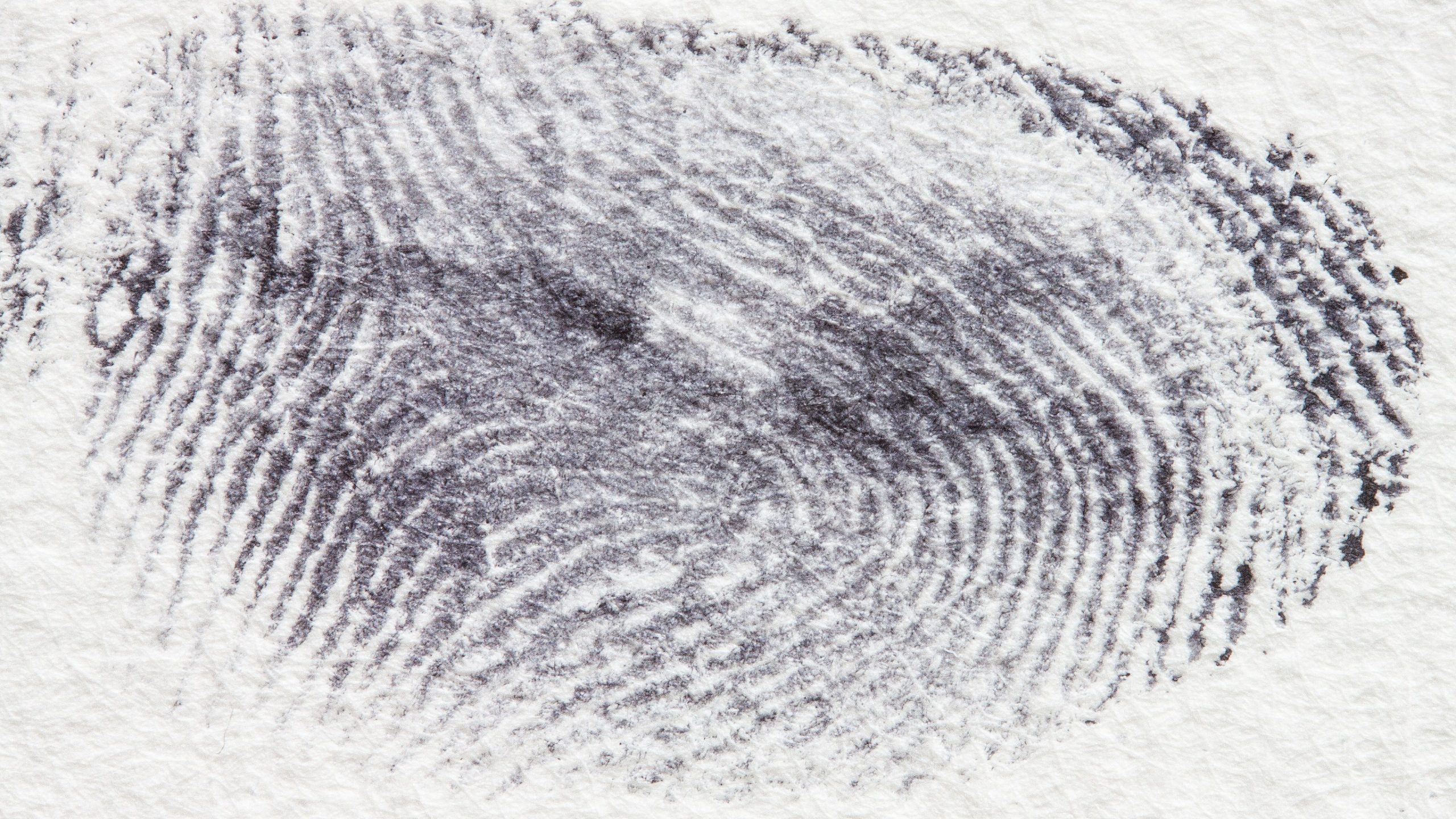
Biometric identifiers are numeric data elements used to identify biometric objects referenced within biometric data records. Biometric identifiers facilitate biometric data interchange between different system components or between systems, promote interoperability of application programs and systems that use biometrics, support forward compatibility for technology improvements, and facilitate the software and hardware integration process. The biometric identifier concept is formally established by CBEFF.
Biometric Identifier Registrations
Biometric Identifier
Registrations
The Biometric Registration Authority is the entity designed to assign the unique Object Identifiers (OIDs) used within CBEFF headers so that software parsing the data can unambiguously identify the format owner. By registering, an entity gets a unique code that ensures any system reading their data knows exactly how to decode it.
A Biometric Organization is a bona-fide organization concerned with the specification of biometric formats or the production or use of any biometric object. To become a recognized CBEFF Biometric Organization (as defined by ISO/IEC 19785-1 and ISO/IEC 19785-2) and obtain a unique biometric organization identifier, the entity is required to register with the Biometric Registration Authority (IBIA).
A complete Biometric Identifier consists of two parts:
- The Biometric Owner Identifier (as assigned by and registered through IBIA)
- The Specific Object Identifier (as assigned by the object’s owner and registered through IBIA).
Owners are not required to register the identifiers of their particular objects, but may do so as the means of informing the biometrics industry of the existence and availability of the objects.
CBEFF recognizes four objects that have owners and identifiers:
- The Biometric Data Block (BDB) format: this contains the actual biometric data, as opposed to the CBEFF header, which contains fields that describe the attributes of the BDB.
- The Patron format: A specification for a CBEFF header, also called a Biometric Information Record (BIR) header.
- The Security Block format: A specification for the optional part of a biometric record that describes its encryption and integrity attributes.
- The Product: A software or hardware object associated with the creation or processing of a BDB.
A CBEFF format type or product type represents a specific data format or product as defined by the format/product owner. These may be proprietary, unpublished formats or products, or formats that have been standardized by an industry group, consortium, or standards body. The owning entity may optionally register the format/product type value, but is not required to do so.
Registration Tables
REGISTRATION FORM
Please complete the form below. PRINT a copy for your records and a copy to mail with your payment before clicking on the SUBMIT button. Once the form and payment are received, IBIA will issue the unique biometric organization identifier value and post your registration at the International Biometrics + Identity Association website.
Registration Fees:
- Biometric organization registration (per organization) $500.00
- Format/Product identifier Registration (per identifier) $50.00
To ensure that the registration tables contain current data, please notify the International Biometrics + Identity Association of any changes in the information in the registry tables.
Make checks payable to the International Biometrics & Identification Association and mail with a copy of the form to the following address (for non-U.S. companies, please e-mail for electronic transfer information):
International Biometrics & Identification Association
1325 G St NW, Suite 500
Washington, DC 20005
