
Enterprise + Business Applications
Where Biometric Technologies Are Used in the Real World
Where Biometric Technologies Are Used in the Real World
Biometric technologies are embedded across everyday life and critical infrastructure.
Biometrics supports secure identity verification in consumer devices, public services, and enterprise systems. From access control and fraud prevention to healthcare, travel, and national security, biometrics enable secure and efficient interactions across industries.
Common Applications
Common
Applications
Once the domain of high-security government facilities and science fiction, biometric technology has seamlessly integrated into the fabric of our lives. From the ability to unlock a smartphone with a glance to verifying your identity over the phone with your voice, biometrics provide a more convenient and secure alternative to traditional keys, passwords, and PINs. The widespread adoption of biometrics spans nearly every industry, with a diverse range of applications, from securing personal devices and financial transactions to managing national borders and aiding in complex criminal investigations.
Physical and Logical Access Control
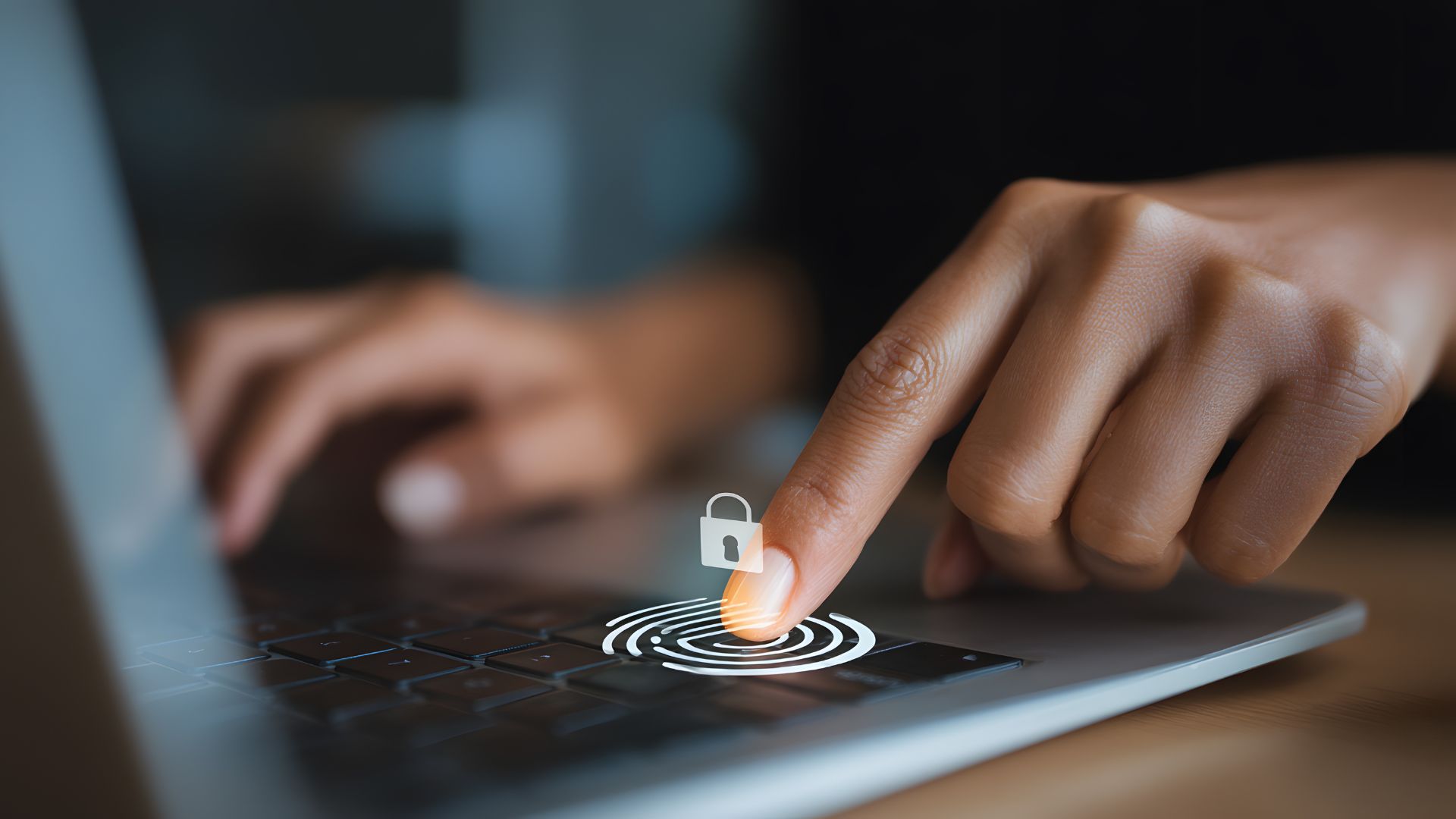
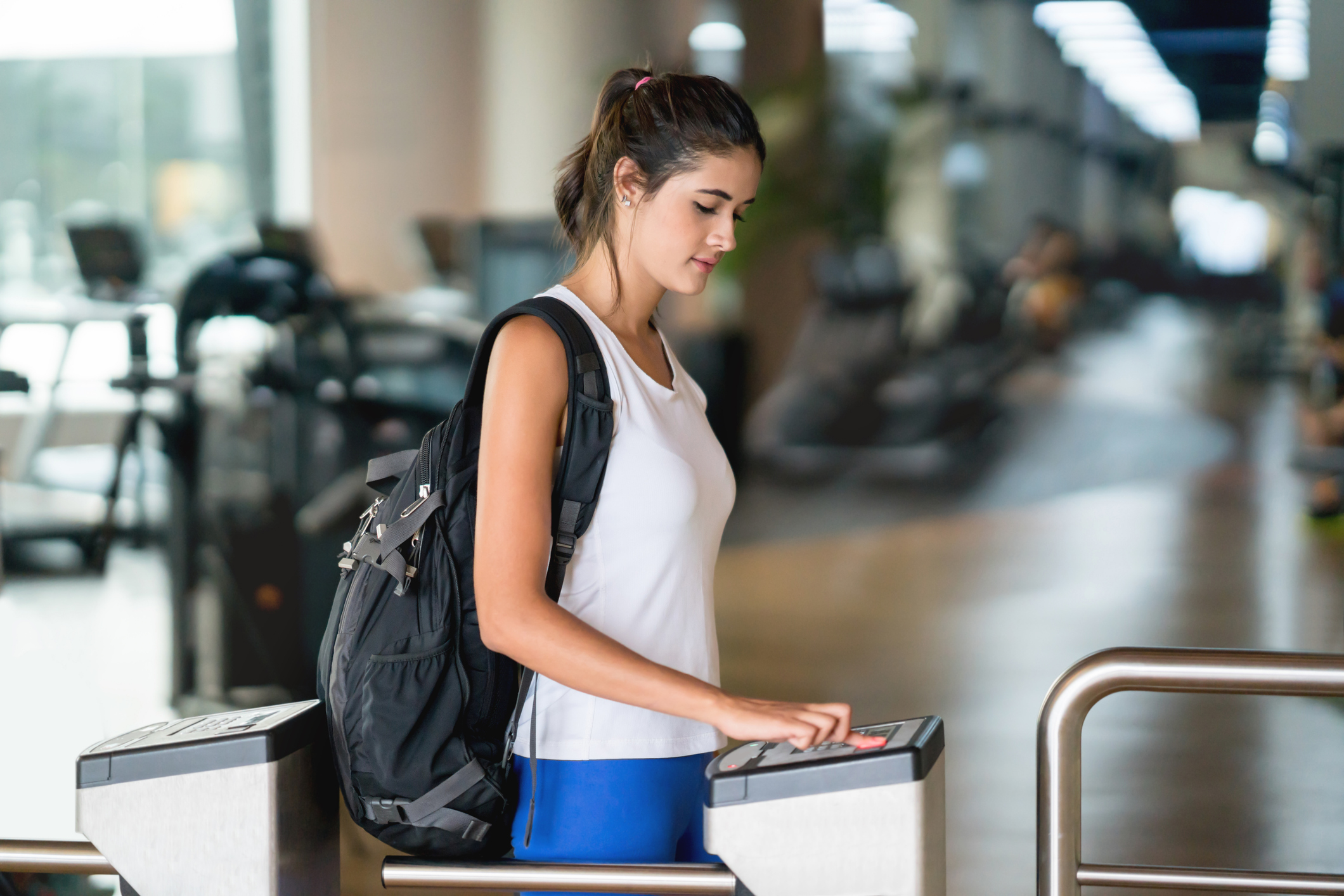
Companies, organizations, and government entities use fingerprint, facial, vein, and iris scanners to control access. These technologies also secure access to corporate networks and computer systems.
Healthcare Patient ID and Data Security
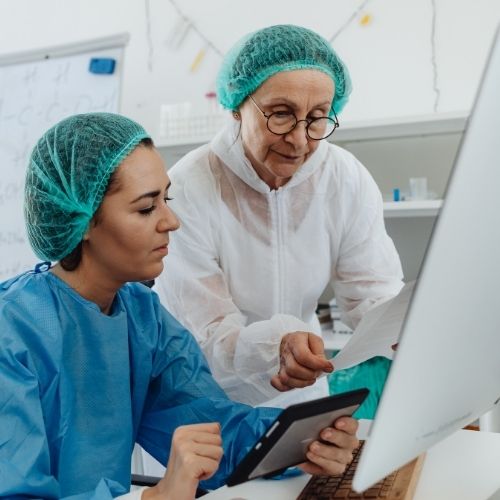
Hospitals and clinics use biometrics to accurately identify patients, preventing medical errors and securing access to sensitive electronic health records. Voice, face, and iris recognition are all used to manage patient data securely.
Law Enforcement and Forensics
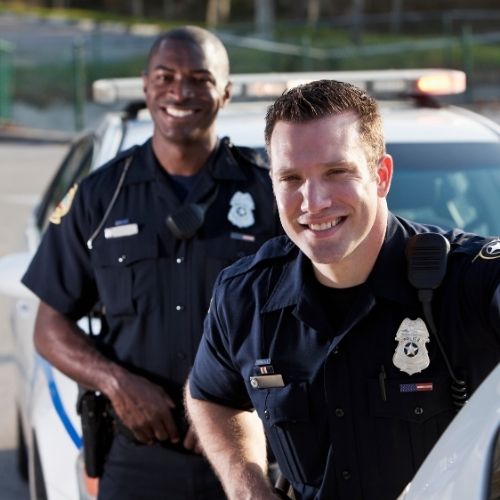
Biometrics are fundamental to modern criminal justice, with fingerprint, facial recognition, and DNA technologies used to identify suspects, persons of interest, and victims from physical and biological evidence.
Continuous Endpoint Authentication
Keystroke dynamics works silently in the background on a computer to continuously verify a user’s identity based on their unique typing rhythm, locking the session if an anomaly is detected.
Border Control and Immigration
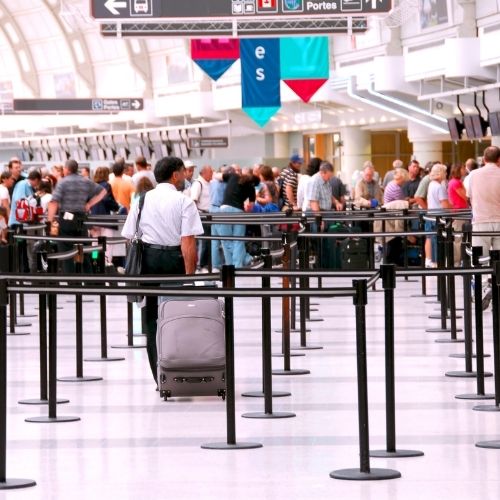
Airports and border agencies use facial and iris recognition to streamline passenger processing and enhance security, allowing travelers to verify their identity without repeatedly having to show their documents.
Fraud Prevention
Behavioral biometrics like keystroke dynamics can detect anomalies during online banking sessions to identify bots or fraudsters. Facial recognition, combined with liveness detection, is used to prevent fraud during digital onboarding for new accounts.
Defense and Counterterrorism
Biometric technologies, including facial recognition and DNA, are used by defense and intelligence agencies to identify threats, track persons of interest, and secure military installations.
Smart Home and IoT
Voice recognition allows for personalized control of smart home devices, ensuring that only authorized users can perform sensitive actions like disarming a security system or accessing personal settings.
Secure Banking and ATM Access
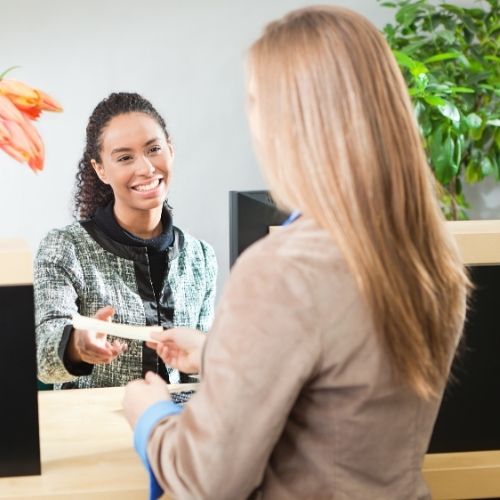
Financial institutions use biometrics to strengthen security across banking channels, including ATMs, telephone banking, and mobile apps, enabling secure authentication and transaction approval.
Streamlining the Airport Experience
Airlines and airports use facial recognition to facilitate a seamless travel journey, from check-in and bag drop to security checkpoints and boarding gates.
National ID Programs
Governments worldwide use biometrics to create secure national identification systems, issue biometric passports, and manage voter registration to prevent fraud.
Device Unlocking
The most common application for consumers is the use of fingerprint and facial recognition to quickly and securely unlock smartphones, laptops, and tablets.



Industry Applications
Industry
Applications
The application of biometric technology has expanded far beyond its origins in high-security government and law enforcement sectors. Today, biometrics are integral to a vast array of industries, driven by the increasing need for secure, seamless, and convenient authentication. From financial services and healthcare to consumer electronics and travel, organizations leverage unique human traits to protect data, streamline operations, and enhance user experiences. This widespread adoption reflects a global shift toward more robust and personal methods of identity verification in an increasingly digital world.
Common industries employing biometrics and identity technologies include:
This sector remains the largest user of biometric systems, employing them for national security and civil identification, among other uses.
To enhance security and manage the flow of travelers, government agencies use biometrics for e-passports, visa programs, and automated border gates. Facial and iris recognition are commonly used at airports to verify passenger identities, detect fraudulent documents, and identify individuals on watchlists.
Many countries have also implemented large-scale national ID programs that rely on biometrics, with fingerprint, face, and iris data collected to create unique digital identities for citizens. These are used for everything from voting and accessing social welfare programs to opening bank accounts.
The financial sector has rapidly adopted biometrics to combat fraud, secure transactions, and improve the customer experience. Banks and fintech companies are integrating biometrics into their mobile apps, allowing customers to log in and authorize payments with a fingerprint or face scan, which provides a faster and more secure alternative to passwords. Call centers widely use voice recognition to passively verify a customer’s identity during a phone call, eliminating the need for security questions and streamlining the customer service process. High-security modalities like palm vein and iris recognition are now being implemented into ATMs to authorize transactions, offering a level of security that is extremely difficult to counterfeit.
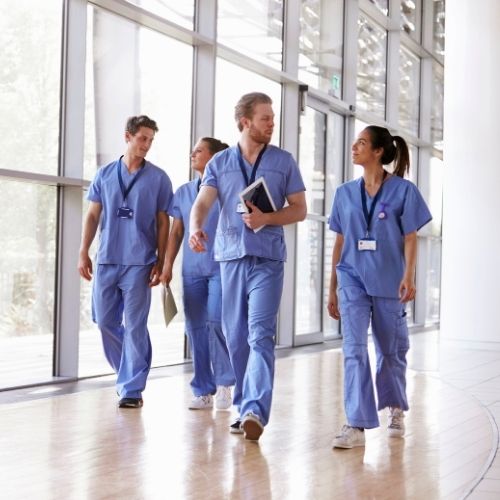
For the healthcare sector, biometrics are crucial for ensuring patient safety, protecting sensitive data, and improving operational efficiency. Hospitals use biometrics such as fingerprint, palm vein, or iris scans to accurately identify patients before procedures or medication administration, aiding in the prevention of medical errors and ensuring that the right patient receives the right care.
Biometric authentication is also used to control access to Electronic Health Records (EHRs), helping organizations comply with privacy regulations like HIPAA by ensuring only authorized personnel can view sensitive patient information.
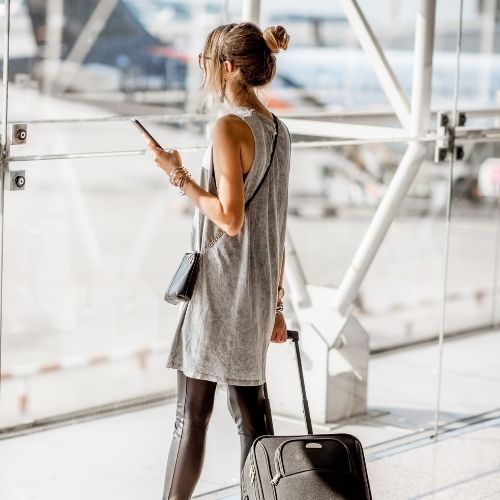
The travel industry uses biometrics to create a more seamless and secure journey for passengers. Facial recognition is being deployed at every stage of the airport experience, from check-in and bag drop to security screening and boarding. This reduces the need for physical documents and speeds up passenger processing.
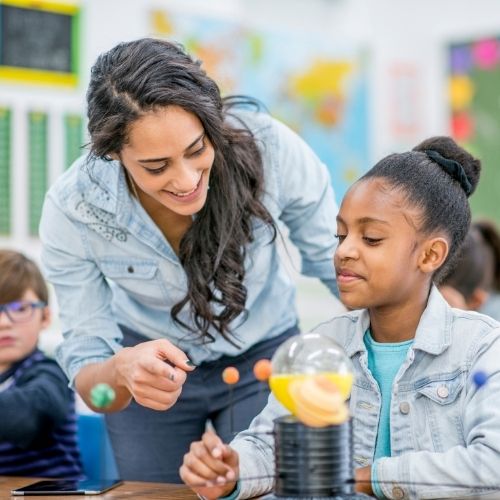
Biometric technologies are increasingly being adopted by the education sector, from K-12 schools to universities, to improve efficiency, enhance security, and streamline daily operations for students and staff. Biometrics provide a secure and convenient way to control access to campus facilities, like buildings, dormitories, and other areas, replacing traditional ID cards that can be lost or stolen. For sensitive locations like research labs which contain hazardous biological or radiological materials, schools use multi-factor biometric systems to ensure only authorized individuals can enter.
Biometric systems can also automate routine administrative processes, which saves time and reduces errors. For example, biometric systems, using fingerprint or facial recognition, can automate the attendance taking process, allowing for accurate, real-time tracking of student presence. In cafeterias, fingerprint or palm scanners are used to identify students for meal plan payments, which is faster than using cards or PINs and also ensures that only the authorized student is using the meal plan. For students receiving free or reduced-price meals, it also provides a greater degree of anonymity that reduces social stigmas. During online exams, biometric technologies like facial recognition, voice recognition, and keystroke dynamics are used to verify a student’s identity and monitor for potential cheating.
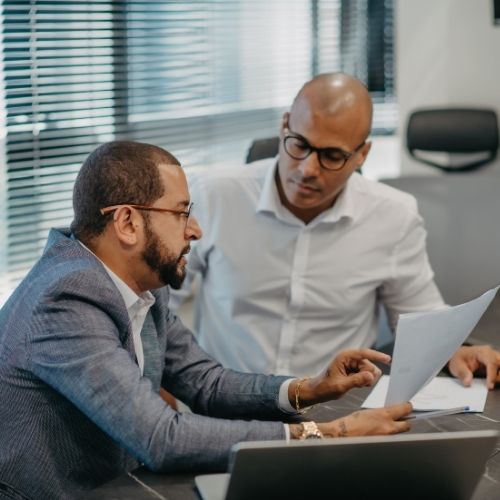
Businesses of all sizes are using biometrics to secure their premises and manage their workforce. Biometric systems are replacing traditional key cards and PINs for physical access to buildings and restricted areas, with modalities like fingerprint, face, and vein recognition providing a more secure and traceable method of entry.
Companies also use biometric scanners to accurately track employee work hours, preventing issues like “buddy punching” where one employee clocks in for another. Behavioral biometrics like keystroke dynamics can continuously verify a user’s identity while they are logged into a corporate network, detecting anomalies that might indicate an unauthorized user has taken over a session.
Biometric Identity + Technologies
Biometric Identity + Technologies
Biometrics + Identity
Biometric Technologies + Modalities
